

Hydraulic Oil Filtration And Maintenance Services
Proper oil filtration is a critical element of hydraulic system maintenance. Over time, ineffective systems and frequent oil change practices have increased costs unnecessarily. At Fairtex Group, we provide advanced hydraulic oil filtration and maintenance solutions that reduce downtime and extend the life of your hydraulic systems.
Our Approach to Hydraulic Oil Filtration
On-Site Filtration:
- Performed in-line with running equipment—no production stops or downtime.
- Multi-pass filtration system for ultra-fine contamination control.
- Hydraulic oil cleanliness exceeds OEM standards.
Advanced Maintenance for Modern Systems:
- Focus on clean oil to support efficiency and reduce running costs.
- Tailored oil maintenance programs to meet specific operational needs.
Hydraulic Oil Maintenance Program
Our comprehensive maintenance program includes:
- Consultation: Assessment to recommend the best system for your operations.
- Water Filtration: Removes 100% water contamination, which can reduce machinery lifespan by 50%.
- Particle Filtration: Eliminates contaminants as small as 1 micron for optimal system performance.
- Oil Analysis Reports: Identify filtration effectiveness, cooling issues, and early signs of component failure.
- Improvement Plans: Practical, proactive measures to prevent future contamination.
Essential Maintenance Steps
Proper care of hydraulic oil filter elements involves:
Inspect and Troubleshoot:
- Check return oil filter elements, suction filter elements, and pilot filter elements for debris such as metal shavings.
- Address potential component failures before refilling.
Simultaneous Filter Replacement:
- Replace all filter elements when changing hydraulic oil to avoid contamination reintroduction.
Oil Selection:
- Use oil with the correct label; mixing oils of different brands or grades can cause reactions and flocculation.
Refueling Protocol:
- Install a filter element before refueling.
- Ensure the main pump is free of impurities to prevent accelerated wear or failure.
Proper Filling and Air Removal:
- Maintain oil at standard levels using the hydraulic tank gauge.
- Retract all cylinders (e.g., arms and buckets) before checking levels.
- Exhaust air from the main pump to prevent damage due to air bubbles.
Key Benefits
- Extended equipment life through optimized oil cleanliness.
- Cost savings by minimizing downtime and reducing oil change frequency.
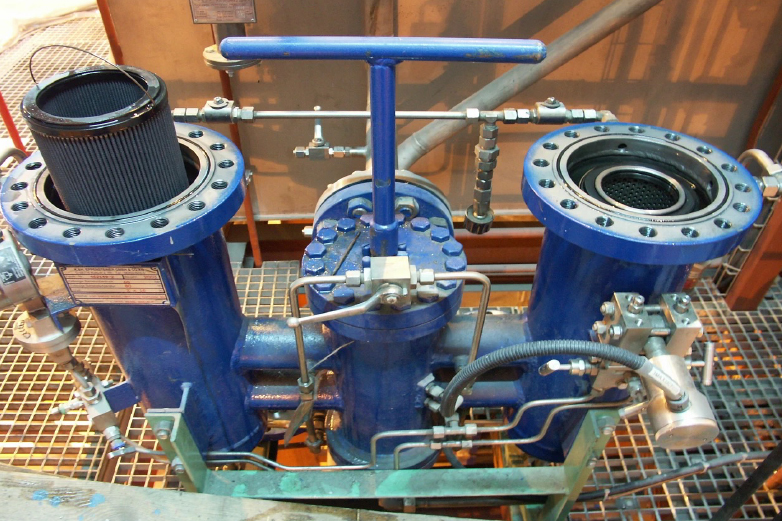
We are providing good & on time services to our valuable clients.
Copyrights © 2026 All Rights Reserved Fairtex Nigeria Ltd
Developed & Managed by Padyclub